Overview
ServiceMinder controls what each user can see and do through three layers, all configured onthe user edit page (Users → click a user → Permissions tab).
- Standard Permissions — settings that apply to every user, like whether they can seepricing or transfer appointments.
- Schedule/Inventory Permissions — settings that only appear for users who are also Service Agents, controlling their mobile-app capabilities and schedule visibility.
- Permission Overrides — a row-by-row grant/deny table for the system's full permission catalog, used to fine-tune access on top of the user's assigned Role.
Each section below explains the controls in plain language with examples. Where a setting istied to another configuration (an organization-level toggle, a brand setting, or a Role), that iscalled out.
This article will review:
Settings and Navigation
To access the full list of permissions you must go to Control Panel > User > Permissions tab. Listed below are all of the permissions that can be granted or denied for Users. This allows you to have control over what each user can see and do inside of serviceminder.
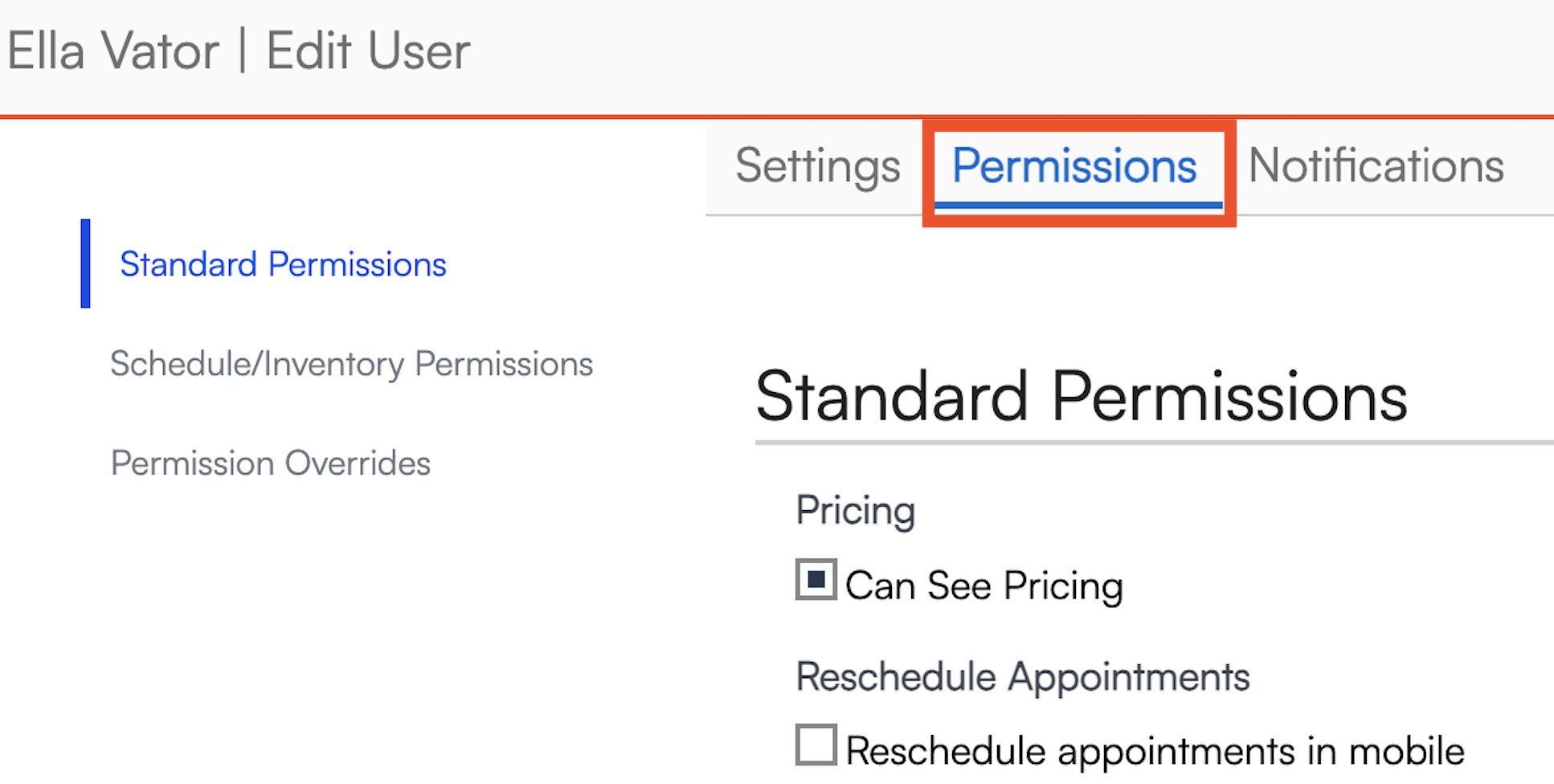
Standard Permissions
| Setting | Description | Use Case |
|---|---|---|
| Pricing ("Can See Pricing") | Controls whether the user sees price information across the system. With this off, costs, totals, and margins are hidden on appointments, proposals, invoices, and parts. | Disable for a field tech who shouldn't quote on the spot can be sent to appointments without ever seeing the customer's price. |
| Reschedule Appointments | Lets the user move an appointment to a different time on the mobile app. | Without this, a service agent on mobile can view their schedule but cannot drag an appointment to a new slot. |
| Transfer Appointments | Lets the user reassign an appointment to a different service agent from the mobile app. | Useful for crew leads who need to hand off jobs in the field; revoke for techs who should only work their own assignments. |
| Slot Searching ("Limit all slots results to this user") | When checked, the "Find a Slot" tool on an appointment scheduling page only returns openings on this user's own calendar. | Use this for team members who should only book appointments for themselves; leave un checked for owners or schedulers who book across the whole team. |
| Searching | Controls the scope of the global contact search - none, owned contacts, or all contacts. | Example: a sales rep set to Owned Contacts won't accidentally surface another rep's customers. |
| Include Member Orgs ("Search all member organizations") | This setting expands searches to also cover member organizations the user belongs to. | Useful for owners with multiple organizations or brand administrators. |
| Proposals | Controls which proposals appear in the user's proposal grids. Owned shows only proposals the user created or is assigned to. All shows every proposal in the organization. | Example: set sales reps to Owned so they only see their own pipeline. |
| Send Invoice Approvals To | Routes invoices generated by this user to another user for approval before they can be sent out. | Useful so that an office manager or owner can review the details on an invoice create by a junior team member instead of being sent out automatically. |
Schedule/Inventory Permissions
This section only appears if the user is linked to a Service Agent record.
| Setting | Description | Use Case |
|---|---|---|
| Track Inventory? | Turns on per-agent inventory tracking for this service agent, so parts used on appointments are pulled from this agent's truck stock. Only appears when the organization has agent inventory management enabled. | Enable for technicians who carry stock in their vans that you want to manage inventory for. |
| CC Appointment Confirmations | When the customer receives an appointment confirmation email, this agent is CC'd. | Useful for agents who want a paper trail of every confirmed visit on their schedule. |
| Can Self Edit Inventory | Lets the agent adjust their own truck inventory counts from the mobile app. Only applies when the organization has inventory management enabled. | Without this, only office users with inventory permissions can correct counts. |
| Can Alter Start/Finish | Lets the agent edit the actual start and finish times when completing an appointment. Without this, the times recorded by the app are final. | Leave this permission off if you bill by tracked time and don't want service agents adjusting the time after the fact. |
| Pull From Queue? | Lets the agent pull unassigned appointments out of the dispatch queue onto their own schedule. | Enable for senior technicians who can self-assign when they have an opening; leave off for techs who should only work what dispatch hands them. |
| Future Visibility | The number of days this user can see ahead on their service agent's schedule. | Example: set to 7 and the agent sees this week's work but not next month's. Useful when schedules are still being shuffled and you don't want techs reacting to tentative bookings. |
| Hide Future on Details? | Hides any future appointments for the same customer when this agent opens an appointment's details page. | Use to keep service agents focused on today's visit without seeing what's already booked next. |
| Login Restrictions | Prevents the agent from signing into the mobile app outside their normal work hours, plus the buffer specified. | Example:30 / 30 means they can log in 30 minutes before their first appointment and stay logged in up to 30 minutes after their last. Useful for hourly compliance. |
Permission Overrides
This is the catalog of granular permissions. Each user is assigned a Role, and the Role gives them a baseline set of permissions. The Permission Overrides table lets you grant a permission their Role doesn't include, or deny one it normally does, for this single user.
Appointments Permissions
| Permission | What it Controls |
|---|---|
| Appointments:Email | Email an appointment confirmation to the customer. |
| Appointments:Finish:AddParts | Add parts to an appointment while finishing it (consumes inventory and adds line items). |
| Appointments:Finish:SendCompletion | Send the completion email to the customer when finishing an appointment. |
| Appointments:Grid:All | See the All Appointments grid. |
| Appointments:Grid:Backlog | See the Backlog grid. |
| Appointments:Grid:InProgress | See the In Progress appointments grid. |
| Appointments:Grid:Last | See the Last (recently completed) appointments grid. |
| Appointments:Grid:Reworks | See the Reworks grid — jobs that came back. |
| Appointments:Grid:Upcoming | See the Upcoming Appointments grid. |
| Appointments:Notes:Private | View and post private (internal-only) notes on appointments |
Contacts Permissions
| Permission | What it Controls |
|---|---|
| Contacts | Base access to the Contacts area. |
| Contacts:Create | Create a new contact. |
| Contacts:Documents:ViewPrivate | View documents flagged Private on a contact. |
| Contacts:Delete | Delete contacts.* |
| Contacts:Edit | Edit any contact in the organization (broadest editpermission). |
| Contacts:Edit:Owned | Edit only contacts the user owns. Pair with no Contacts:Editfor a rep who should only touch their own customers. |
| Contacts:Edit:Unowned | Edit contacts that have no assigned owner. Useful for leadrouting staff. |
| Contacts:Grid:All | See the All Contacts grid/tab. |
| Contacts:Grid:Expired | See the Expired Contacts grid. |
| Contacts:Grid:Expiring | See the Expiring Contacts grid. |
| Contacts:Location:Update | Update a contact's address or location. |
| Contacts:Merge | Merge duplicate contact records. |
| Contacts:Notes | Add and edit notes on a contact. |
| Contacts:Notes:ViewPrivate | View notes flagged Private on a contact. |
| Contacts:View | View contact records (without this, the user can't see contacts at all). |
| Contacts:View:CommunicationDetails | See the full communications history (calls, texts, emails) on acontact, not just the summary. |
Invoices and Payments Permissions
| Permission | What it Controls |
|---|---|
| Invoices | Grants permission for viewing invoices, processing and managing payments, sending invoices to customers, managing installment and recurring billing activity, merging/splitting invoices, applying finance charges, and performing other invoice-related actions. |
| Invoices:Approve | Approve invoices for sending and accounting. |
| Invoices:Delete | Delete invoices.* |
| Invoices:Edit | Edit invoices. |
| Invoices:ExcludefromEndofPeriod | Flag an invoice as excluded from end-of-period royalty reporting —typically for adjustments that shouldn't roll into the next reporting period. |
| Invoices:Grid:All | See the All Invoices grid. |
| Invoices:Grid:Open | See open invoices on the grid. |
| Invoices:Grid:Paid | See paid invoices on the grid. |
| Invoices:Grid:Unapproved | See invoices waiting on approval. |
| Invoices:Void | Void an invoice. |
| Invoices:WriteOff | Write off invoices as uncollectible. |
| Pay:Account | Access ServiceMinder|Pay account settings. |
| Pay:Reporting | View ServiceMinder|Pay reports. |
| Payments:Delete | Delete a payment record.* |
| Payments:Refund | Issue a refund for a payment. |
Parts and Services Permissions
| Permission | What it Controls |
|---|---|
| Organization:Parts | View the list of Parts. |
| ControlPanel:Parts:Create | Add new parts. |
| ControlPanel:Parts:Edit:General | Edit the non-pricing and non-inventory fields on a part. |
| ControlPanel:Parts:Edit:Pricing | Edit price/cost fields on a part. |
| ControlPanel:Parts:Index | View the Parts list in Control Panel. |
| ControlPanel:Parts:Inventory | Edit inventory counts and locations on a part. |
| ControlPanel:Services:Create | Create new services. |
| ControlPanel:Services:Edit:General | Edit non-pricing fields on a service. |
| ControlPanel:Services:Edit:Pricing | Edit price-related fields on a service. |
| ControlPanel:Services:Index | View the Services list in Control Panel. |
Proposals Permissions
| Permission | What it Controls |
|---|---|
| Proposals | Top-level access to proposals. |
| Proposals:BulkAccept | Bulk-accept proposals from the proposals grid. |
| Proposals:Delete | Delete proposals.* |
| Proposals:EditAccepted | Edit a proposal after the customer has accepted it. |
| Proposals:Email | Enables the "Email" action on proposals which uses an ad hoc email template that you create. |
| Proposals:Grid:All | See the All Proposals grid. |
| Proposals:Grid:Accepted | See accepted proposals. |
| Proposals:Grid:Open | See the Open Proposals grid. |
| Proposals:Grid:OpenProjects | See the Open Projects grid. (Learn about Project Based Workflow). |
| Proposals:Grid:Unscheduled | See proposals that haven't been scheduled yet. |
| Proposals:Grid:Won | See won proposals. |
| Proposals:MarkComplete | Manually mark a proposal as complete. |
| Proposals:Margins:View | View margin and cost figures on proposals (separate from pricing view). |
| Proposals:Send | Enables the "Send" action on proposals which uses automated templates to email or text a link to the proposal (depending on the contact's communication preferences). |
Organization Configuration Permissions
| Permission | What it Controls |
|---|---|
| ControlPanel:ApiKeys | Manage organization-level API keys in the Control Panel. |
| Organization | Broad organization-level admin permission that grants access to the Control Panel; parent of most Organization permissions. |
| Organization: Account | Manage the organization's billing and account information. |
| Organization: Custom Fields | Manage custom fields for contacts, appointments, services, etc. |
| Organization: Email Campaigns | Manage email campaigns at the org level. |
| Organization: Email Templates | Manage email templates (both automated and ad-hoc) at the org level. |
| Organization: Invoice Terms | Edit invoice terms text on the org. (Brand-level setting mustalso permit org-edit.) |
| Organization: Marketing Tools | Access marketing tools. |
| Organization: Owner | Marks the user as an organization owner. |
| Organization: QBO Connection | Connect and manage the QuickBooks Online integration. |
| Organization: Service Agents | Manage service-agent profiles, capacities, and zones. |
| Organization: Settings | Edit organization's General Settings as well as Categories, Tags, and Labels. |
| Organization: Users | Create, edit, and remove users. Required to even reach most of the User Edit page. |
System Administration & Branding Permissions
| Permission | What it Controls |
|---|---|
| Branding | Brand-level administration. Includes managing branding settings, accounting classes, automations, billing, etc. across the whole brand from the Dashboard. |
| Branding:ApiKeys | Manage brand-level API keys used by integrations. |
| Branding: Email Campaigns: Create | Create brand level email campaigns that can be deployed out to organizations. |
| Branding:ReportSubscription | Subscribe to regular report downloads within the brand. |
| Organizations: Roles | Manage Roles and billing plans. Needed to add or change which permissions a Role grants |
| User: Impersonation | Allows the user to view and act as another user within serviceminder. Use sparingly (typically reserved for support and brand administrators). |
Permissions for Add-On Features
These permissions require that your organization and/or brand has the related add-on feature included in your plan.
| Permission | What it Controls |
|---|---|
| Campaigns | Access the Campaigns section of the Control Panel. |
| Campaigns:Create | Create marketing Channels and Campaigns. |
| Drips | Access the Drips section of the toolbar and manage drip campaigns. |
| Feedback | Access the Feedback grid and control settings for collecting customer feedback. |
| Issues:Edit | Edit the Issues Management workflow. |
| Pages | Access the Pages module in the Administration section of the toolbar and make adjustments to the settings there. |
| Routing | Use Fleet Routing to route queued appointments across multiple service agents or teams. |
| Text Messaging | Access the Texting area and send/receive text messages. |
Other Permissions
| Permission | What it Controls |
|---|---|
| App | Grants access to the App (mobile) interface only. |
| Calendar | View the organization's calendar. |
| Call Center | Access the Call Center area. |
| CallCenter:Request Call Credit | Request a call credit on a recorded call (e.g., the call was a misdial). |
| CallCenter:Review Call Audio | Listen to and review recorded call audio. |
| Dispatch | Access the Dispatch tab in the toolbar |
| Dispatch:Appointments:Notes | Add or edit notes on appointments from inside the Dispatch view. |
| Maps | Access Maps. |
| My Schedule:Appointments | Access the personal "My Schedule" view. |
| Reports | Access the Reports for the organization. |
| ServiceAgents:TimeOff:Create | Create time-off entries for service agents. |
| Subcontractors:Bids | Submit subcontractor bids. |
| Subcontractor:Review:Bids | Review submitted contractor bids. |
| Taskboard:Content:Update | Update taskboard content (add, remove, or move cards between columns). |
| Tasks | Access the tasks list. |
| Tasks:Complete | Mark tasks as complete. |
| View:OwnedBy:Me | See records (appointments, contacts, proposals, invoices) that the current user owns. Without this, the user can't even see their own records. |
| View:OwnedBy:Others | See records owned by other users. Revoke to scope someone strictly to their own work. |
| View:OwnedBy:Nobody | See records with no assigned owner (e.g., new leads not yet routed). |
| Web | Grants access to both the Web (desktop) and App (mobile) interfaces. |
*If your account has been granted delete permissions, use extreme caution when removing records. Deleted items are typically recoverable within 4 weeks of deletion. Submit a support ticket for assistance. A $250 data restoration fee may apply for recovery requests involving mistakenly deleted data.
Permission Groups
In Control Panel > Users, click Groups in the top right corner. This will take you to a page where you can create custom groups of Users in order to assign Permissions consistently to all users within that group.
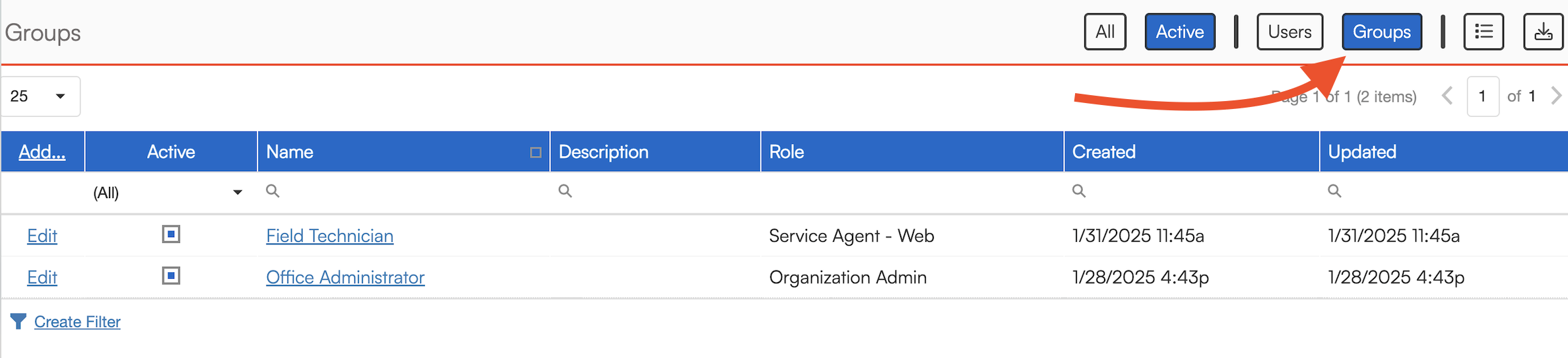
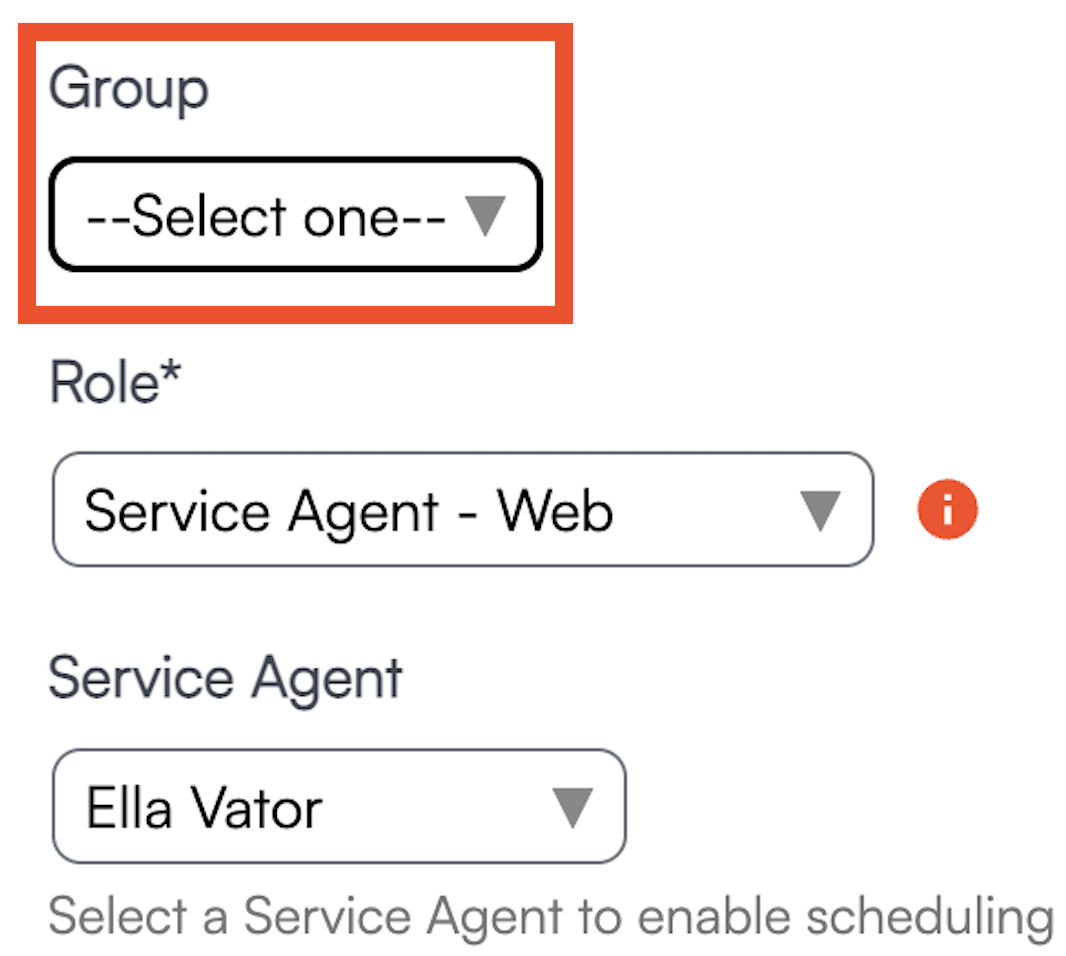
From there, you can click Add where you will be prompted to create a Name, Description, and User Role for anyone included in this group.
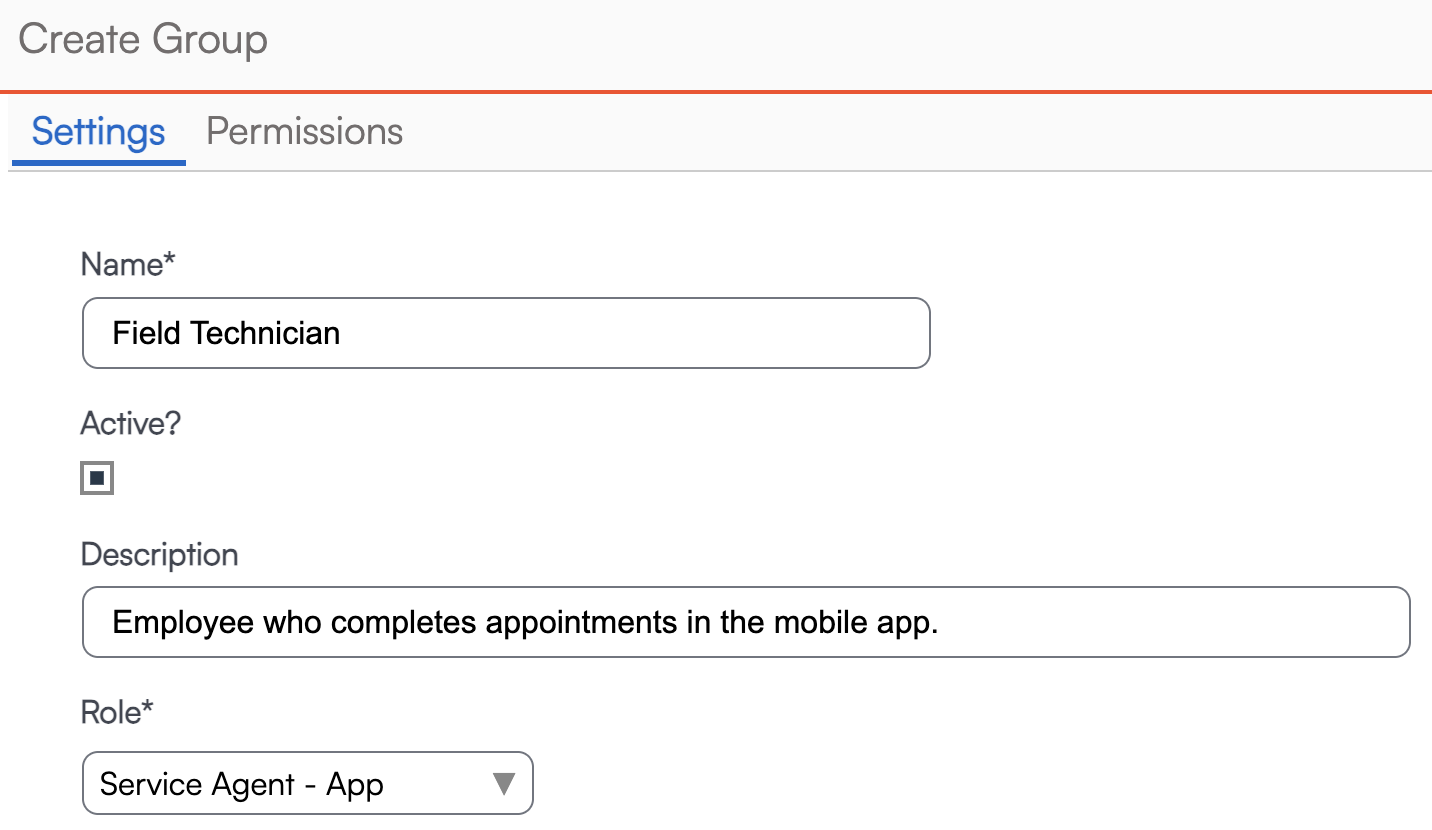
Then, you'll click the Permissions tab and grant or deny each permission.
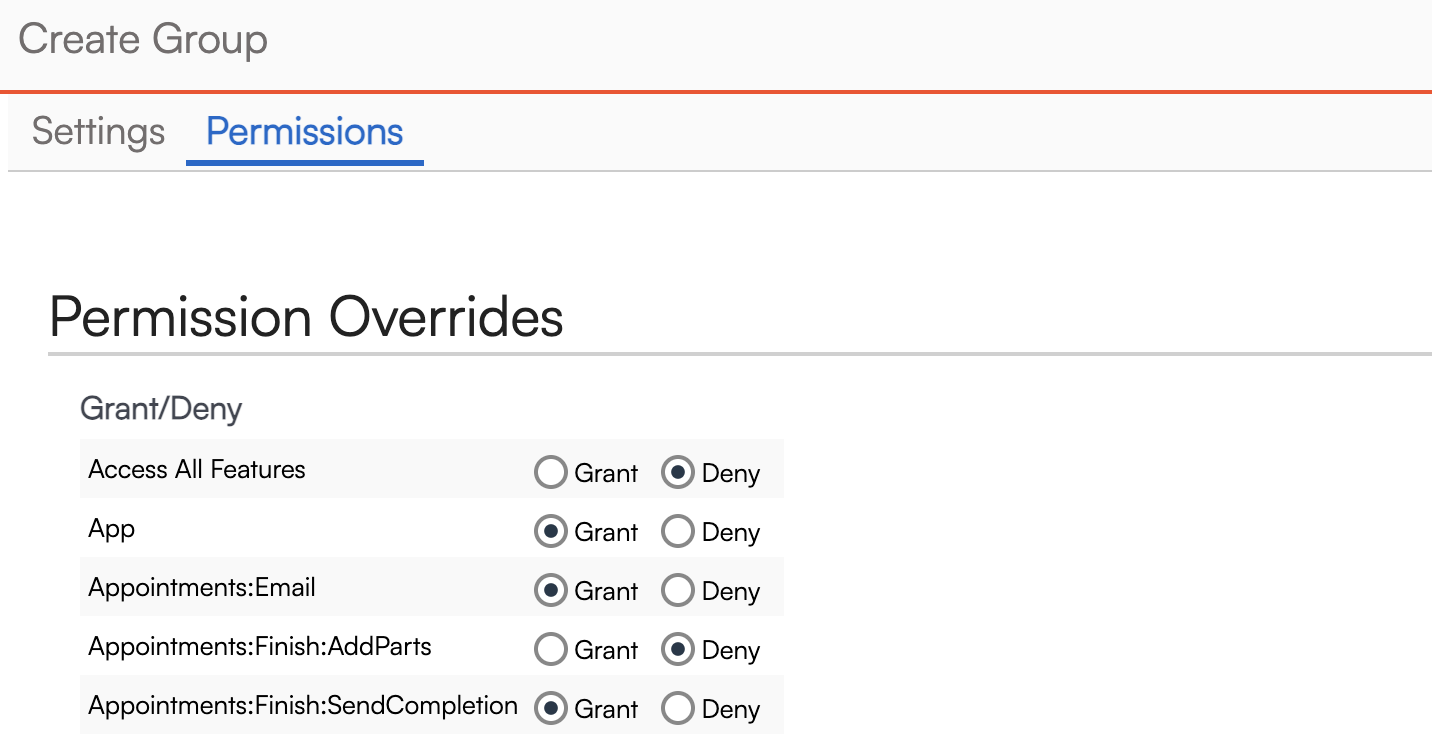
Then, when editing a User, you will be able to assign them a group. This will automatically adjust their permissions to correspond with the ones you assigned to that user group.
FAQs
What types of users have the ability to change user permissions?
By default, Org Admin and Owner are the only two roles that have access to Control Panel. User and Service Agent Web do not have access to Control Panel Only the Org Admin and Owner roles can grant additional access. If they grant those things to a User or Service Agent - web than they can access Users. They will only be able to “edit” a user who has their same permission or lower and then they can grant/deny permission but again only will list things that they already have access to.
Do we have to set permissions so that users can go in and add their email and password for calendar synchronization on their own profile?
Nope, for any user you can go to the wheel that's in the upper right-hand corner by your username, if you click that it takes you to your personal user settings. From there you had sync your google calendar. We see that Outlook sync is not displaying there and we will get that added to that page.
I updated a permission, but the user isn't seeing the change yet. What should I do?
Have the user refresh the page or log out and back in to ServiceMinder. In some cases, permission changes can take up to an hour to fully take effect.
